
Choosing an elevator is one of the most important decisions in a construction project. Whether you are developing a residential apartment, office building, shopping complex, hospital, hotel, or industrial space, the right elevator improves convenience, efficiency, and long-term value.
Many buyers focus only on cost during the selection process. However, choosing an elevator involves much more than comparing prices. Factors such as building usage, passenger traffic, safety standards, and future operational requirements all influence the final decision.
Making the right choice from the beginning helps reduce long-term maintenance costs, improve user experience, and increase overall building efficiency.
Why Elevator Selection Matters
An elevator becomes part of a building’s daily operation for many years. A poorly selected system can result in:
- Long waiting times
- Increased maintenance costs
- Higher energy consumption
- Reduced efficiency
- Passenger inconvenience
A well-planned elevator solution creates smoother movement throughout the building while improving reliability and comfort.
1. Identify the Purpose of the Elevator
The first step is understanding how the elevator will be used.
Common elevator categories include:
Passenger Elevators
Designed for apartments, offices, shopping centers, and commercial buildings.
Freight Elevators
Used for transporting goods, equipment, and heavy materials.
Hospital Elevators
Designed to accommodate patients, stretchers, and medical equipment.
Home Elevators
Compact solutions suitable for villas and residential spaces.
Selecting the correct type ensures better performance and functionality.
2. Calculate Passenger Capacity
Capacity determines how many people can comfortably use the elevator at one time.
Factors affecting capacity include:
- Total number of building users
- Peak usage hours
- Building purpose
- Daily traffic volume
For example:
- Residential buildings may require moderate capacity
- Commercial offices often require larger capacities
- Hospitals may need wider cabins and higher load capacity
3. Consider Elevator Speed
Building height directly influences speed requirements.
Typical examples:
Low-rise buildings
Standard-speed elevators are usually sufficient.
Mid-rise buildings
Moderate-speed systems improve efficiency.
High-rise buildings
Higher-speed elevators help reduce waiting times.
Choosing the appropriate speed creates a smoother experience for users.
4. Understand Space Requirements
Space planning is often overlooked during early project stages.
Important measurements include:
- Elevator shaft dimensions
- Cabin size
- Door width
- Pit depth
- Machine room requirements
Proper planning avoids expensive structural changes later.
5. Prioritize Safety Features
Safety should always be a major consideration.
Modern elevators often include:
✔ Door sensors
✔ Emergency communication systems
✔ Overload protection
✔ Automatic rescue devices
✔ Backup power systems
✔ Emergency alarms
These systems improve passenger confidence and operational safety.
6. Think About Energy Efficiency
Energy-efficient systems can significantly reduce operational costs.
Benefits include:
- Lower electricity consumption
- Reduced environmental impact
- Lower long-term operating expenses
- Improved sustainability
Modern technologies help optimize energy usage while maintaining performance.
7. Evaluate Long-Term Value
Many customers only compare initial purchase prices. However, long-term value matters more.
Consider:
- Product durability
- Manufacturing quality
- Spare parts availability
- Maintenance requirements
- Future service support
A quality elevator often provides better returns over its lifespan.
Why Quality Manufacturing Matters
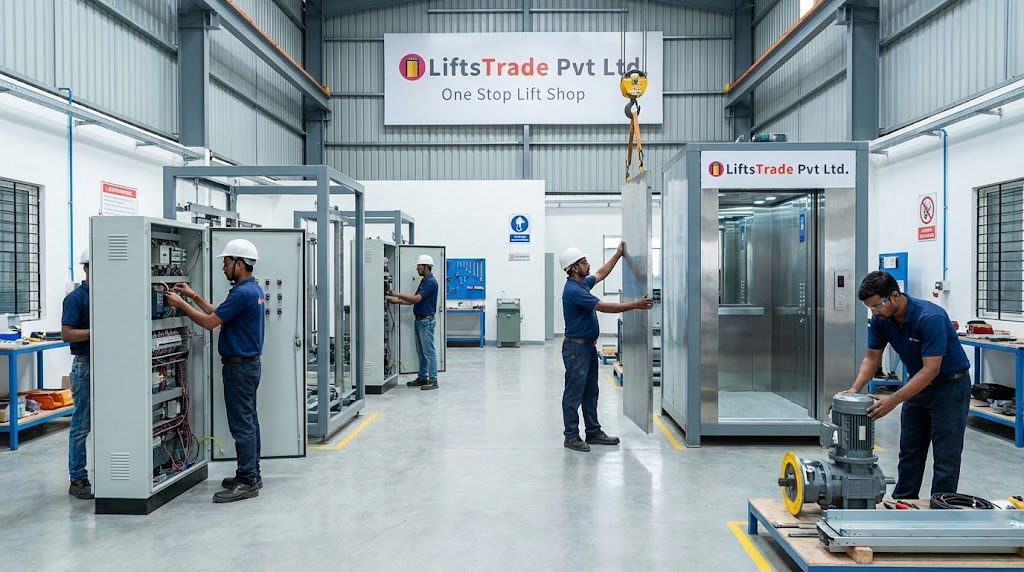
Behind every reliable elevator is a strong manufacturing process. Precision engineering, quality materials, and rigorous testing contribute to better performance and durability.
High-quality manufacturing helps ensure:
- Smooth operation
- Better safety
- Reduced downtime
- Longer product life
- Lower maintenance costs
At Lifts Trade Pvt Ltd, our focus is on delivering quality-driven manufacturing solutions designed to support modern building requirements.
Frequently Asked Questions (FAQs)
1. Which elevator is best for residential buildings?
Passenger elevators or compact home elevators are generally suitable for residential buildings depending on the number of floors and users.
2. How do I determine elevator capacity?
Capacity depends on building occupancy, daily traffic volume, and expected peak usage periods.
3. Does building height affect elevator selection?
Yes. Building height influences required speed, motor performance, and system design.
4. What safety features should an elevator have?
Important safety features include door sensors, overload protection, emergency alarms, backup systems, and rescue devices.
5. Are energy-efficient elevators worth it?
Yes. Energy-efficient systems can reduce electricity consumption and lower operating costs over time.
6. What should I prioritize besides price?
Consider quality, durability, safety standards, long-term value, and manufacturer reliability.
Conclusion
Selecting the right elevator is an important long-term decision. Understanding your building requirements and evaluating factors such as capacity, safety, speed, and quality can help you make a better investment decision.
Lifts Trade Pvt Ltd – Manufacturing Excellence for Reliable Vertical Transportation Solutions.